

Aiello Moliterno Museums
A surprising journey through art, memory and landscape
In the heart of Moliterno, the MAM Museum System – Aiello Moliterno Museums takes shape, a widespread cultural reality that represents one of the most original artistic centres in Basilicata. Six museums, six different but intimately connected places, which recount the art, history and identity of Lucania through a surprising journey, capable of crossing centuries, languages and artistic sensibilities.
The centrepiece of the system is the Landscape Museum, located inside Palazzo Aiello 1786, overlooking the Mother Church. The rooms, characterised by chestnut wood beams and handmade terracotta floors, retain their 18th-century charm and provide the setting for an art collection of extraordinary quality. Here, the exhibition itinerary winds its way through a collection ranging from views of the Posillipo School to foreign painters of the Grand Tour, with unexpected works and authentic masterpieces that harmoniously dialogue with the historic architecture of the building.
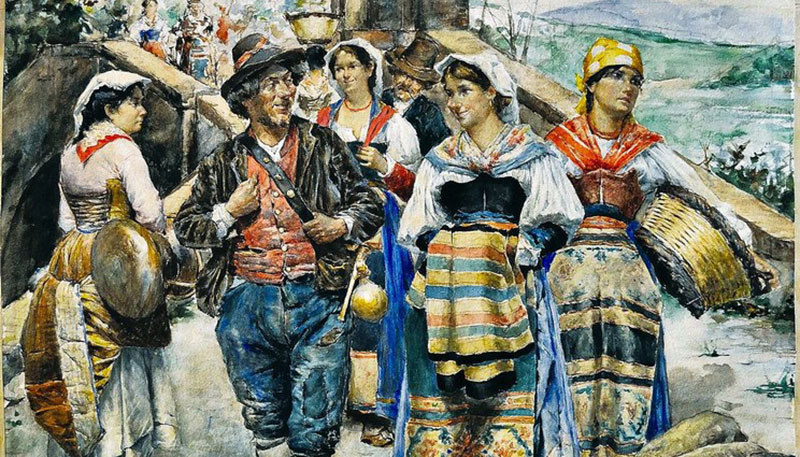
Not far away, the Michele Tedesco and 19th-Century Lucanian Museum, located inside Casa Domenico Aiello, houses masterpieces from 19th-century Lucania, from Michele Tedesco to Giacomo Di Chirico, from Angelo Brando to Vincenzo Marinelli and Andrea Petroni, as well as materials of great documentary value such as Michele Tedesco's famous artist's notebooks.
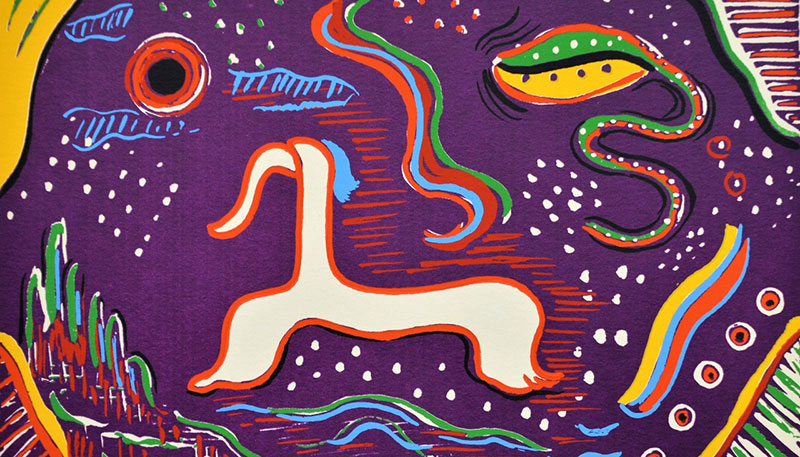
The view opens up to the present with the Museum of Contemporary Art, housed in an ancient residence in the Castello district, which welcomes artists of the calibre of Marino Marini, Hans Hartung, Antoni Tàpies, Michelangelo Pistoletto, etc., as well as Lucanian artists such as Giacinto Cerone and Riccardo Dalisi, a pioneer of modern design.
The story of the 20th century continues in the Museo del Novecento Lucano, housed on the first two floors of Palazzo Aiello 1825, in the heart of the historic centre. Here you will find the great protagonists of Lucanian art from the last century, from Luigi Guerricchio to Mauro Masi, from Gaetano Pompa to Italo Squitieri, alongside lesser-known but highly interesting artists such as Cesare Colasuonno, Pasquale Virgilio and Giovanni Iacovino, in an exhibition that reflects the complexity and richness of the regional art scene.
The upper floors of the same building house the Museum of 20th-Century Ceramics, dedicated in particular to the so-called “German period” of Vietri ceramics. The collection highlights the dialogue between art and craftsmanship, with works by masters such as Guido Gambone and the Procida brothers, protagonists of a creative period of great experimentation and formal quality.
The system is completed by the Museum of Modern Art, housed in an elegant Art Nouveau building, which contains design objects, works from the Corrente Novecento movement, and some pictorial masterpieces such as “Donna lucana” by Joseph Stella, and graphics by Picasso and Matisse.
Another historic building houses the Biblioteca Lucana Angela Aiello, which preserves a precious collection of books, prints and documents on Basilicata from the 17th to the 20th century, together with works by the main Lucanian writers, as well as a rare collection of volumes dedicated to the Grand Tour, the cultural journey that took European intellectuals and artists to discover southern Italy between the 18th and 19th centuries.
The MAM museum system is thus a true diffused museum, capable of combining art, memory and landscape, offering visitors not only a high-level cultural experience, but also a privileged glimpse into the soul of Moliterno and Basilicata.